Introduction
Houston’s retail real estate sector continues to draw attention from investors, developers, and retail tenants alike as the city remains one of the most dynamic markets in the United States. With sustained population growth and strong tenant demand, retail space absorption and construction activity are shaping up to offer both opportunities and challenges for investors.
Here’s a closer look at recent developments and what they mean for shopping center investment.
Recent market reports indicate that Houston’s retail market fundamentals continue to show resilience:
1. Retail Demand and Occupancy Remain Strong
- Net absorption in parts of 2025 reached nearly 1.92 million square feet, reflecting strong tenant absorption across the metro, while vacancy hovered around 5.3% — figures that suggest sustained demand.
These indicators are particularly relevant for neighborhood and community shopping centers, where everyday retail users continue to seek locations that combine convenience, accessibility, and mixed-use activity.
2. Construction Activity Is Significant — But Selective
Houston is one of the most active retail construction markets in the country:
- Recent industry data shows nearly 3.9 million square feet of retail space under construction in Houston — enough to position the metro as the second-most active retail construction market in the U.S. behind Dallas-Fort Worth.
- Much of this development is occurring in suburban and high-growth corridors, where population influx and consumer spending patterns have shifted over the last decade.
Strong construction activity can signal future supply growth, but it also reflects developer confidence and tenant demand from both national brands and local retailers.
3. Tenant Mix Trends: Essentials and Experience Drive Leasing
The Houston retail landscape continues to evolve, with leasing momentum coming from both traditional essentials and experience-centric concepts:
- Grocery-anchored leasing has been expanding regionally, with grocers like H-E-B opening several new sites across Texas, including significant projects slated for 2026.
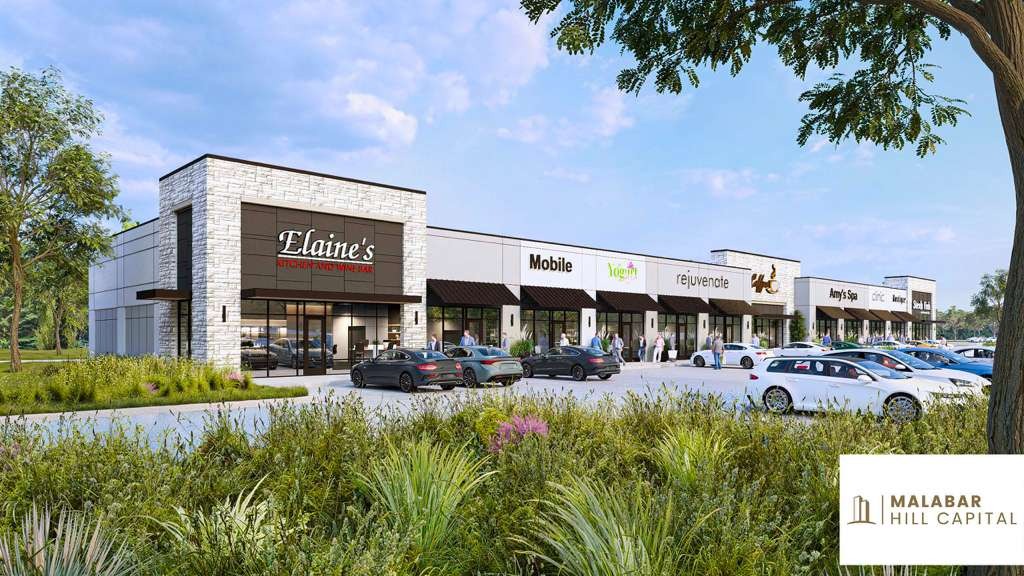
- Retail development isn’t limited to shopping strips; new mixed-use retail and walkable lifestyle centers (such as upcoming projects in Richmond and Fulshear) are incorporating food, entertainment, and community-oriented space to draw more traffic.
This diversification of tenant mix is helping traditional retail centers stay relevant even as retail portfolio strategies evolve nationally.
4. Population Growth and Retail Demand Are Linked
Houston’s ongoing population growth — driven by in-migration and strong economic drivers — supports retail demand:
- Texas as a whole continues to attract new residents, helping fuel demand for everyday retail services, restaurants, and entertainment destinations.
- Suburbs like Conroe have been highlighted for their rapid growth and increasing appeal to households relocating for affordability and lifestyle amenities.
Retail investors looking at Houston are often betting on this structural demand rather than short-term cycles.
5. What This Means for Investors
For retail and shopping center investors considering Houston:
- Occupancy rates below 6% reflect tight conditions relative to many other U.S. metros.
- Steady rent fundamentals with moderate increases in NNN pricing suggest a healthy rent environment for stabilized assets.
- Construction at scale shows confidence among developers — a positive signal when it’s backed by tenant pre-leasing and demographic trends.
- Mixed tenant lanes (grocery anchors, experiential retail, services) diversify income streams and lower vacancy risk.
Altogether, these factors create an environment where carefully selected retail assets — especially those in growth corridors and mixed-use settings — can perform well for investors focused on long-term stability and predictable cash flows.
Sources:
- Houston Retail Market Report — Colliers Q3 2025
- Houston Retail Construction Activity — Lee & Associates
- Texas Retail Forecast — Texas Real Estate Research Center
- H-E-B Expansion Plans in Texas Where H-E-B is opening new stores in Texas in 2026